Two International Workshops on Mykhailo Drahomanov Held in Lausanne and Kyiv
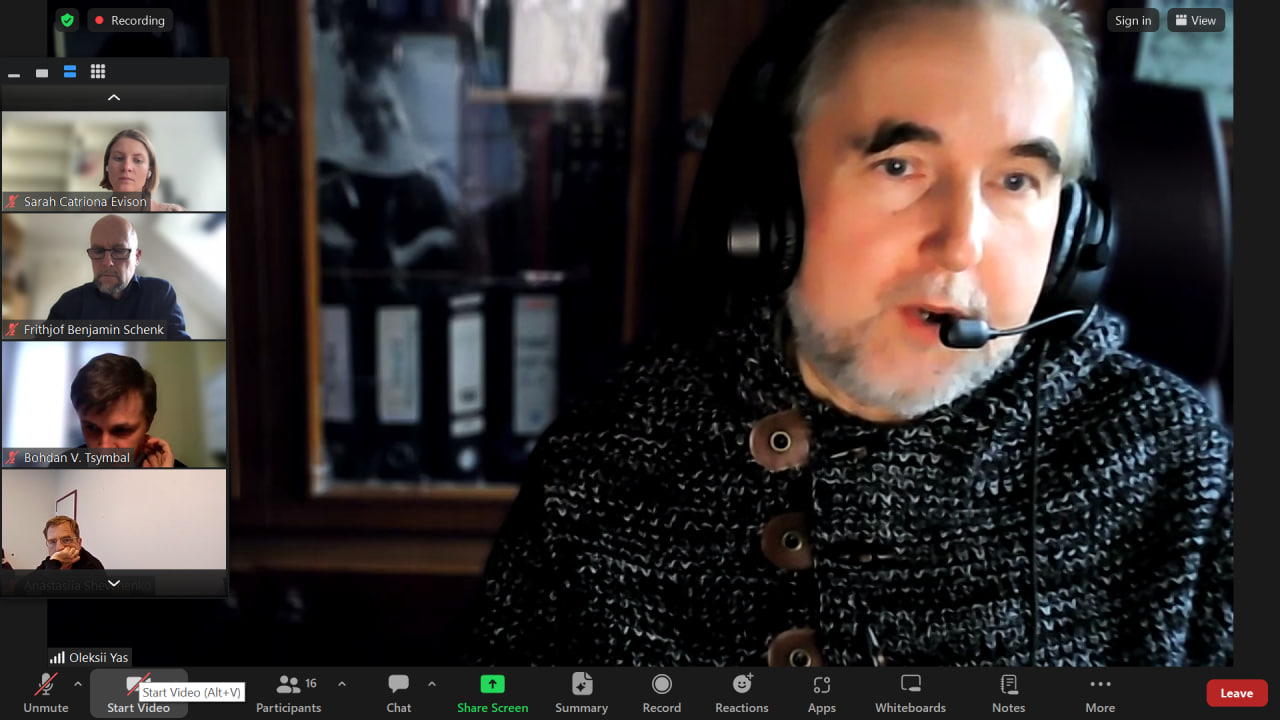
On November 2025, as part of the Swiss-Ukrainian research initiative “Mykhailo Drahomanov: Switzerland on Ukraine’s Intellectual Map of Europe,” two international workshops focusing on the Swiss period (1876–1889) and intellectual legacy of Mykhailo Drahomanov took place in Lausanne and Kyiv. The project, launched in January 2025, is a joint endeavor by the University of Lausanne (Switzerland) and the Institute of History of Ukraine, NAS of Ukraine, under the “Ukrainian–Swiss Joint Research Projects: Call 2023,” supported by the Swiss National Science Foundation and the National Research Foundation of Ukraine. [nas.gov.ua]
Mykhailo Drahomanov was a prominent Ukrainian thinker who sought to connect the Ukrainian national movement with the progress of European civilization. His Geneva period (1876–1889) was marked by prolific scholarly work and active engagement with European intellectual networks. The project aims to explore these connections and the transfer of European ideas to Ukraine, involving scholars from multiple countries.
At both forums, scholars discussed issues of intellectual, political, and cultural transfer of European ideas to Ukraine. More than twenty historians and social scientists participated, representing universities and research institutions from nine countries: Switzerland, Ukraine, Bulgaria, the United Kingdom, Canada, Germany, Poland, France, and the Czech Republic.
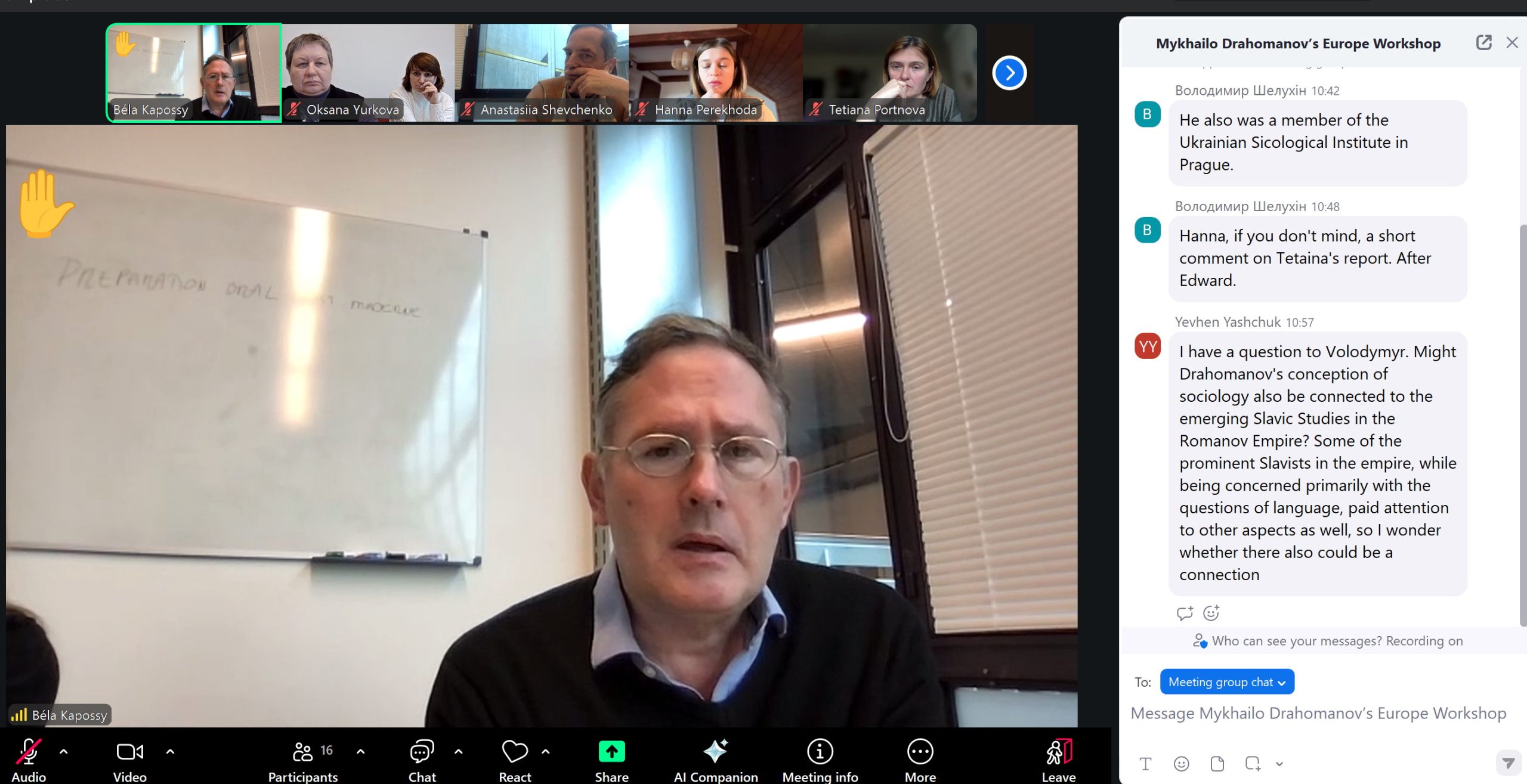
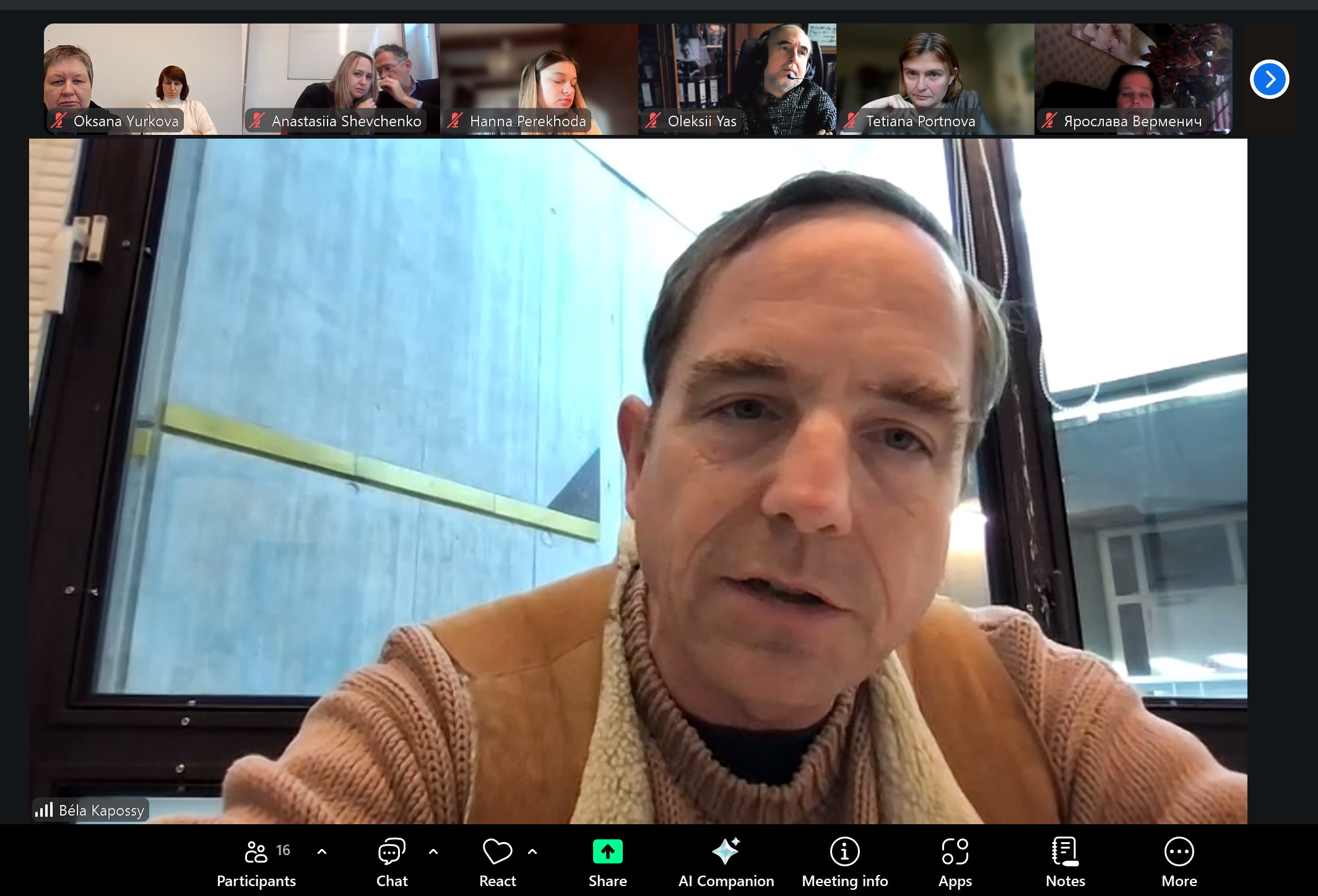
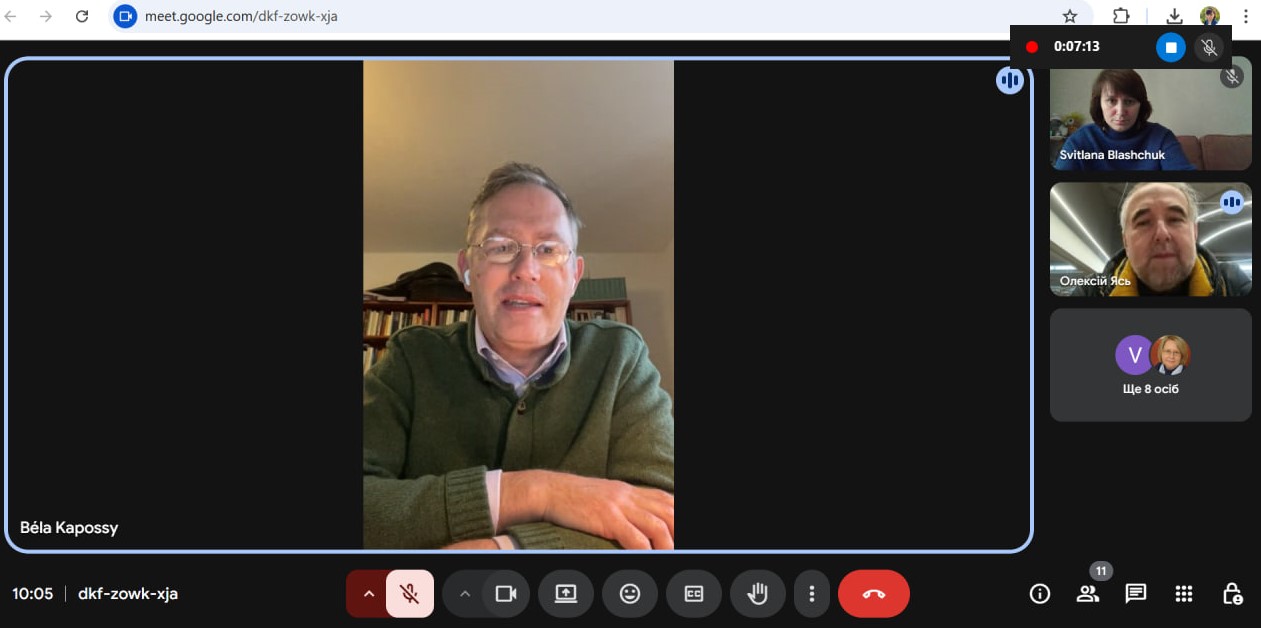
The project’s academic leaders – Béla Kapossy (Lausanne) and Oleksii Yas (Kyiv) – presented the Swiss-Ukrainian initiative in intellectual history. Both seminars featured the presentation of Mykhailo Drahomanov Digital Archive, prepared and launched by Svitlana Blashchuk (Kyiv) and Oksana Yurkova (Kyiv). The architecture of this digital repository is based on the ABIC Koha library system, specially adapted to the project’s needs.
The workshop “Mykhailo Drahomanov’s Europe” included four consecutive panels:
- Life and Networks of Mykhailo Drahomanov during His Swiss Exile
- Ukrainian and Russian Views on Switzerland and Europe
- The Ukrainian National Question in the European Context
- Social and Political Thought of Mykhailo Drahomanov
The first panel featured debates on communication networks, intellectual circles, and epistolary contacts during Drahomanov’s Kyiv and Geneva periods. Anastasiia Shevchenko (Lausanne) and Bohdan Tsymbal (Kyiv) emphasized Swiss connections and unpublished correspondence. Fabian Baumann (Heidelberg) focused on ideological conflicts in Kyiv, while Yevhen Yashchuk (Oxford) and Svitlana Blashchuk examined the circulation of Drahomanov’s works in East-Central Europe and his reading practices.
During the second panel, Benjamin Schenk (Basel) addressed Russian perceptions of Switzerland. Béla Kapossy and Oleksii Yas explored Drahomanov’s views on the idea of Freedom in Swiss and Ukrainian history. These presentations sparked a lively discussion on the European intellectual genealogy of Drahomanov’s key ideas as a historian and political thinker.
The third panel featured Аleksandr Dmitriev (Prague), Ostap Sereda (Lviv-Berlin), and Andriy Zayarnyuk (Winnipeg), who analyzed representations of the national question from Ukrainian, Russian, Polish, and Jewish perspectives. Radosław Ścimanski (Warsaw) examined reflections on land ownership in the historical writings of Joachim Lelewel.
The fourth panel included Edward Castleton (France) and Tetiana Portnova (Potsdam), who discussed anarchist and socialist ideas in Drahomanov’s reception. Yaroslava Vermenych (Kyiv) analyzed federalist issues in his political discourse, while Volodymyr Shelukhin (Kyiv) explored romantic dimensions of Drahomanov’s sociological concepts.
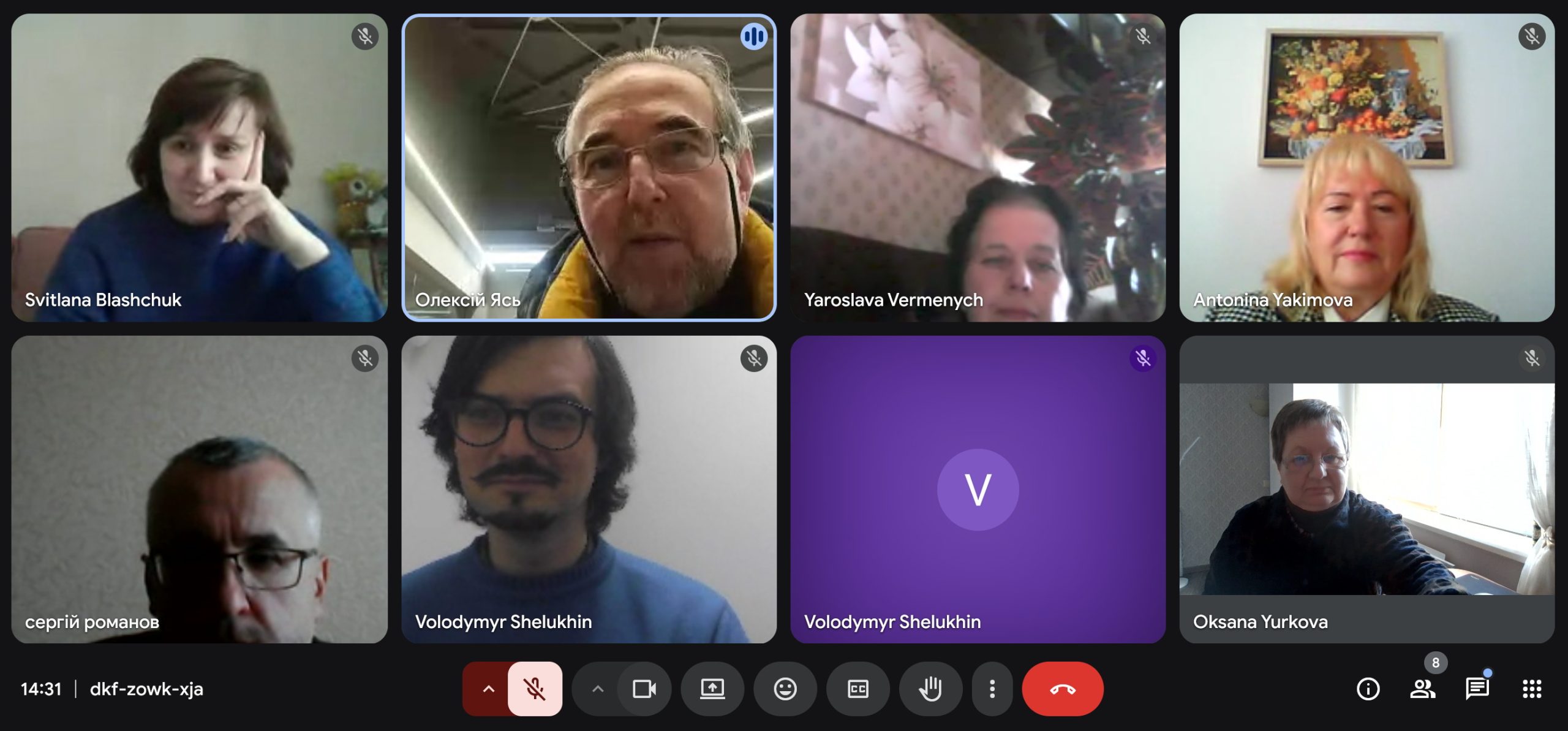
The seminar “Drahomanov Studies: Projects, Retrospectives, and Prospects” focused on the outcomes of various scholarly projects of the post-Soviet period. Valentina Shandra (Kyiv) spoke about the 1991 edition of Mykhailo Drahomanov’s works, which marked the beginning of his return to Ukrainian social and humanitarian studies. Ihor Hyrych (Kyiv) reported on the preparation of an edition of works by Drahomanov’s son, Svitozar, and analyzed his reception of his father’s intellectual legacy. Serhii Romanov (Lutsk) discussed completed projects involving multi-volume editions of works by Lesia Ukrainka and Olena Pchilka. Yaroslava Vermenych examined Drahomanov’s vision of decentralization in contemporary scholarly discourse. Antonina Yakimova (Sofia) highlighted the long-standing traditions and current challenges of Drahomanov studies in Bulgaria. Volodymyr Shelukhin explored cultural influences of Mykhailo Drahomanov on the American intellectual Charles Godfrey Leland. Svitlana Blashchuk and Oksana Yurkova outlined the prospects and plans for the digital archive in light of the challenges and opportunities of modern digital humanities. Due to various circumstances, several colleagues from different countries were unable to join the events but expressed their commitment to further cooperation in the field of Drahomanov studies.
The next offline conference at the University of Lausanne is scheduled for October 1–2, 2026. All participants are invited to contribute to a book that will serve as the outcome of this networking initiative.